
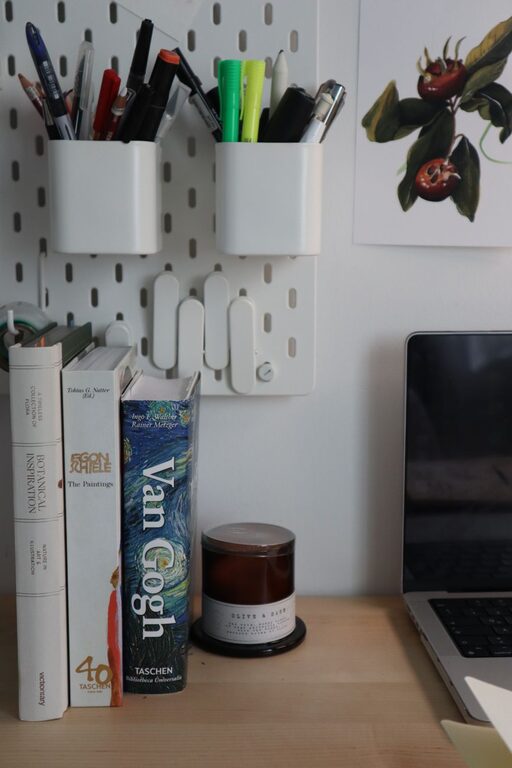
Paper clutter is a common issue in many households. From mail and bills to school papers and receipts, the stacks can grow quickly and create a feeling of chaos. Fortunately, reducing paper clutter doesn’t have to be complicated. With some simple habits and smart strategies, you can create a more organized and peaceful living space. In this article, we’ll explore practical ways to minimize paper clutter and maintain order over time.
Why Reducing Paper Clutter Matters
Paper clutter can affect your daily life in more ways than you might expect. It can:
– Increase stress by making your home feel messy
– Make it hard to find important documents when you need them
– Take up valuable space in your home
– Lead to overlooked bills or expired coupons
By tackling paper clutter, you create a cleaner environment that improves productivity and peace of mind.
Start with Sorting and Purging
The first step to reducing paper clutter is to sort through what you have.
- **Gather all your papers** from around the house into one central spot. This includes mail, receipts, schoolwork, manuals, and more.
- **Create categories** such as bills, personal documents, school papers, coupons, and so on.
- **Go through each category** and decide which papers you actually need to keep.
- **Recycle or shred** unnecessary papers to protect sensitive information.
Taking the time to sort and purge will make managing papers easier going forward.
Implement a Paper Management System
Once you’ve decluttered, set up a system to handle incoming paper so it doesn’t pile up again.
Create a designated paper station
Choose a spot near where mail usually comes in—like an entryway table or kitchen counter—and set up:
– An inbox tray or basket for new mail
– A filing system with labeled folders or accordion files for important papers
– A shredder or recycling bin nearby for quick disposal
Process mail daily or every few days
Make a habit of sorting through your mail soon after it arrives. You can:
– Immediately toss junk mail and unwanted flyers
– File important papers right away
– Pay bills or set reminders for due dates
The key is to avoid letting papers linger and accumulate.
Go Digital When Possible
Reducing paper clutter in your home is much easier when you embrace digital solutions.
– Sign up for paperless billing and e-statements to reduce incoming paper bills and bank statements.
– Scan important documents and save them in organized folders on your computer or cloud storage.
– Use apps for receipts, warranties, and coupons to manage them electronically.
– Encourage family members to submit homework or forms digitally when feasible.
Digital options not only cut down on paper but also make documents easier to access and backup.
Use Practical Storage Solutions
Some papers you need to keep, but they don’t have to take over your space.
– Invest in a compact filing cabinet or storage boxes that fit neatly on shelves.
– Use binders with clear sheet protectors for organizing school papers, manuals, or warranties.
– Consider a wall-mounted organizer or bulletin board to keep important papers visible but tidy.
– Label everything clearly so you can find papers quickly without digging through piles.
Well-chosen storage keeps paper clutter contained and manageable.
Establish Regular Maintenance Habits
The biggest challenge with paper clutter is preventing it from coming back.
Weekly check-in
Set aside a few minutes each week to:
– Sort through new papers
– File what’s important
– Recycle or shred the rest
Monthly review
Go through your filing system to remove outdated documents like old bills or expired coupons.
Involve the whole household
Encourage everyone in your home to follow the paper management routine. Creating a system that works for all family members helps maintain order.
Bonus Tips for Reducing Paper Clutter
– Opt out of catalogs and unsolicited mail through services like the Direct Marketing Association’s mail preference service.
– Use reusable notebooks or digital note-taking apps instead of paper notes.
– Keep a small shredder in your home office or near the mail station for quick disposal.
– Avoid printing emails or documents unless absolutely necessary.
Final Thoughts
Reducing household paper clutter is all about creating simple routines and using practical tools to stay organized. By sorting and purging your existing papers, setting up an easy-to-follow system, embracing digital alternatives, and committing to regular upkeep, you’ll enjoy a tidier home and less stress. Start small, be consistent, and watch the paper piles shrink!