
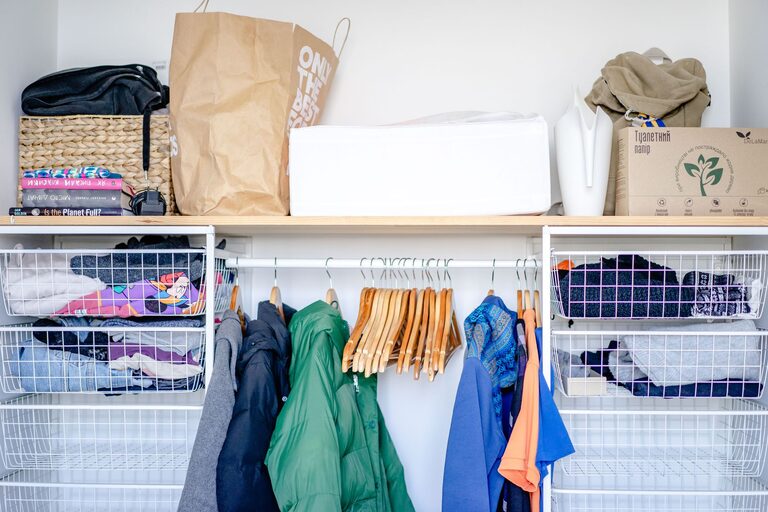
Storing seasonal clothes efficiently is key to maintaining an organized, clutter-free home while protecting your wardrobe from damage. Whether you’re switching from winter coats to summer shorts or packing away bulky sweaters, thoughtful storage methods can save space and keep your clothes in great condition. In this guide, we’ll explore simple yet effective tips to store your seasonal clothes with ease.
Why Efficient Seasonal Clothing Storage Matters
Rotating your wardrobe based on the season helps prevent overcrowding in your closet and dresser. It also reduces wear and tear by giving your clothes proper rest between uses. Efficient storage:
– Frees up space for current season items
– Protects fabrics from dust, moisture, and pests
– Makes it easier to find and access clothes when needed
– Extends the lifespan of your garments
Now, let’s get into practical steps you can take to keep your seasonal clothes safe and organized.
—
Preparing Clothes for Storage
Before packing away clothes, start with a clean slate to avoid attracting pests or trapping odors.
1. Wash and Dry Thoroughly
Always wash or dry clean clothes before storing. Dirt, oils, and stains can attract insects and cause fabric damage over time. Make sure each item is completely dry to prevent mold and mildew.
2. Repair Minor Damage
Fix small holes, loose buttons, or broken zippers. This ensures your clothes are ready to wear when the season returns.
3. Sort and Declutter
Take this opportunity to donate or discard any clothes you no longer wear. Sorting helps reduce storage space and keeps your wardrobe manageable.
—
Choosing the Right Storage Containers
The type of container you choose can make a big difference in preserving your clothes.
1. Use Breathable Containers
Cotton storage bags, fabric bins, or mesh boxes allow air circulation, preventing musty smells and moisture buildup. Avoid plastic bags, which trap humidity.
2. Plastic Bins with Tight Lids
If moisture or pests are a concern, sealed plastic bins work well. Look for bins with airtight lids and consider adding silica gel packets to absorb excess moisture.
3. Vacuum-Seal Bags for Bulkier Items
For items like bulky winter coats or blankets, vacuum-seal bags reduce space dramatically. Just be cautious, as over-compression can harm delicate fabrics.
—
Optimal Storage Locations
Where you store your seasonal clothes matters to maintain their quality.
1. Cool, Dry Areas
Basements and attics are common spots but can be damp or temperature-fluctuating. Use moisture absorbers and monitor humidity if storing clothes in these spaces.
2. Closets and Under-Bed Storage
Inside your home, closets or under-bed boxes are ideal for easy access and stable conditions.
3. Avoid Direct Sunlight and Heat
Exposure to sunlight or heat sources can fade colors and weaken fabrics.
—
Organizing Your Stored Clothes
Keeping your stored clothes organized helps you find them easily when the season changes.
1. Label Everything
Use clear labels on storage bins or bags specifying the contents. Consider adding photos or lists for quick reference.
2. Group by Type and Frequency
Store clothes by category (e.g., sweaters, dresses, outerwear) and how often you use them.
3. Use Dividers and Packing Cubes
Inside larger containers, use smaller organizers to keep items separated and wrinkle-free.
—
Protecting Clothes from Pests and Odors
Preventing damage and unpleasant smells makes your clothes ready to wear after storage.
1. Natural Pest Deterrents
Use cedar blocks, lavender sachets, or rosemary bags inside storage containers to repel moths and insects naturally.
2. Avoid Mothballs
While effective, mothballs contain chemicals that may be harmful and leave lingering odors.
3. Freshen Up Before Use
Air out your clothes and lightly steam or iron them when unpacking to refresh fabrics.
—
Seasonal Clothes Storage Checklist
To summarize, here’s a handy checklist for efficient seasonal clothes storage:
– [ ] Wash and dry clothes thoroughly
– [ ] Repair minor damage
– [ ] Declutter and sort items
– [ ] Choose breathable or airtight storage containers
– [ ] Store in cool, dry, and dark locations
– [ ] Use labels and organizers inside bins
– [ ] Add natural pest repellents
– [ ] Avoid direct sunlight and heat exposure
—
Final Thoughts
Efficient storage of seasonal clothes not only keeps your home tidy but also extends the life of your favorite garments. With a little preparation and the right storage solutions, you can enjoy a smoothly transitioning wardrobe every year without hassle. Try these tips for your next seasonal switch and experience the benefits of a well-organized closet.
Happy organizing!