
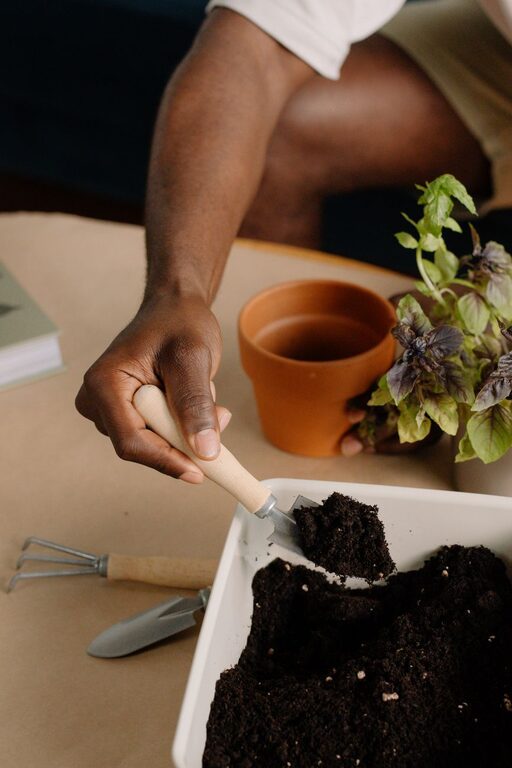
Starting a small herb garden indoors is a rewarding way to bring fresh flavors into your kitchen and add greenery to your living space. Herbs are relatively easy to grow indoors and require minimal space, making them perfect for apartment dwellers or anyone without access to an outdoor garden.
This guide will walk you through everything you need to know to start your own indoor herb garden, from choosing the right herbs and containers to caring for your plants.
Why Grow Herbs Indoors?
Growing herbs indoors offers several benefits:
– Access to fresh herbs anytime, enhancing your cooking
– Control over growing conditions, reducing pesticide use
– A decorative touch that brightens your kitchen or windowsill
– A therapeutic hobby that connects you to nature
Choosing the Right Herbs for Indoor Gardening
Not all herbs thrive indoors equally well. Start with herbs that are known for being beginner-friendly and adaptable to indoor conditions:
– Basil: Needs plenty of sunlight and warmth.
– Mint: Easy to grow but can spread quickly, so keep it in its own pot.
– Parsley: Prefers cooler temperatures and moderate light.
– Chives: Hardy and low-maintenance, good for window sills.
– Thyme: Requires a sunny spot and well-drained soil.
– Oregano: Likes bright light and dry conditions.
– Cilantro: Prefers cooler rooms and moist soil.
Selecting a few herbs you use regularly will keep your garden useful and enjoyable.
Selecting Containers and Soil
Containers
Choose containers that provide good drainage to prevent root rot. Options include:
– Small pots with drainage holes
– Recycled containers like mason jars (with added holes)
– Multi-pot herb gardens designed for indoor use
Make sure the containers fit the space you have available, whether it’s a kitchen counter, windowsill, or shelf.
Soil
Use a high-quality potting mix designed for indoor plants, not garden soil. Potting mix retains moisture and provides good aeration, which herbs need to grow healthy roots.
Finding the Right Spot
Herbs need light to thrive. Most herbs require 6 to 8 hours of direct sunlight daily. Here’s how to find the best spot:
– South-facing windows typically get the most sunlight.
– If natural light is limited, consider using a grow light to supplement.
– Avoid placing herbs in drafty areas or near heating vents, which can dry out the plants.
Planting Your Herb Garden
You can start your herb garden from seeds or purchase starter plants from a nursery.
Starting from Seeds
– Fill containers with potting mix.
– Plant seeds according to packet instructions (usually about 1/4 inch deep).
– Water gently to moisten the soil.
– Cover with plastic wrap or a humidity dome if needed to retain moisture.
– Place containers in a warm, bright spot.
– Keep soil moist but not soggy until seedlings appear.
Using Starter Plants
– Remove plants gently from their nursery pots.
– Loosen roots slightly if they are root-bound.
– Plant in your chosen containers with fresh potting mix.
– Water well after planting.
Caring for Your Indoor Herb Garden
Watering
– Most herbs prefer soil that is moist but not waterlogged.
– Water when the top inch of soil feels dry to the touch.
– Ensure excess water drains to avoid root rot.
Fertilizing
– Use a balanced, water-soluble fertilizer every 4-6 weeks.
– Follow package instructions to avoid over-fertilizing.
Pruning and Harvesting
– Regular trimming encourages bushy growth and prevents herbs from becoming leggy.
– Harvest herbs by snipping leaves or stems just above a set of leaves.
– Avoid removing more than one-third of the plant at a time to keep it healthy.
Pest Management
– Indoor herbs are less prone to pests, but watch for aphids, spider mites, or fungus gnats.
– Wipe leaves gently with a damp cloth or use natural insecticidal soap if needed.
Tips for Success
– Rotate your pots weekly to ensure even light exposure.
– Use a spray bottle to mist herbs that prefer humidity.
– Keep a journal of your watering and feeding schedule.
– Experiment with different herbs to find your favorites.
Troubleshooting Common Issues
– Yellow leaves: Often a sign of overwatering or poor drainage.
– Leggy plants: Usually due to insufficient light; move plants closer to a window or add a grow light.
– Slow growth: Could be caused by lack of nutrients or improper watering.
Conclusion
Starting a small herb garden indoors is an enjoyable and practical project that anyone can do. With the right herbs, containers, and care, you can have fresh, flavorful herbs at your fingertips all year long. Whether you’re cooking or simply enjoying the greenery, your indoor herb garden will add both beauty and utility to your home.
Happy gardening!